
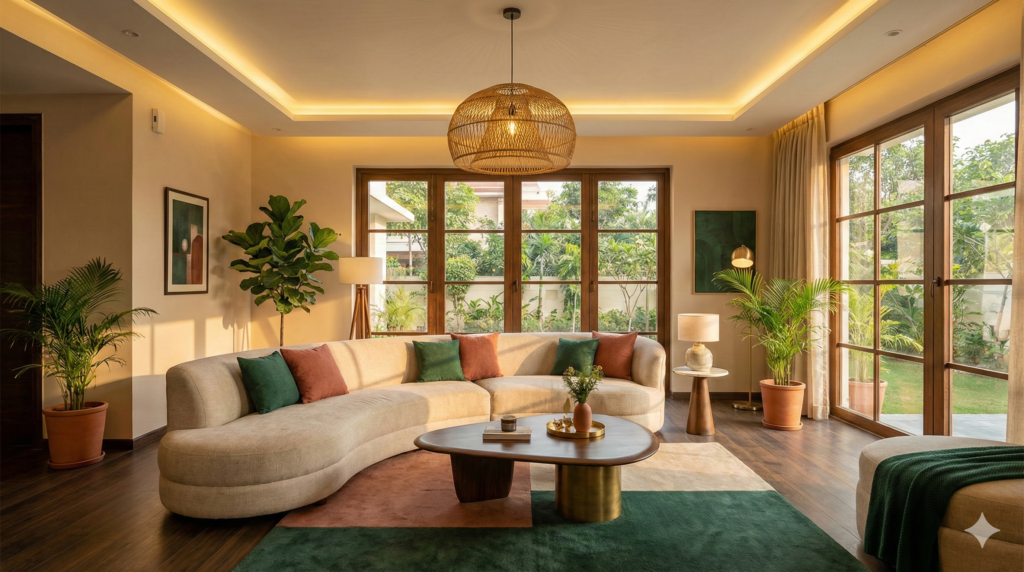
Starting a home interior design project is an exciting journey that transforms your living space into a personalized sanctuary. However, without proper planning, even the most enthusiastic homeowners can face challenges that lead to budget overruns, design regrets, and timeline delays. At Visual Chase Interiors, we’ve guided countless clients through successful home transformations, and we understand that preparation is the foundation of exceptional results.
Whether you’re renovating a single room or redesigning your entire home, these 10 essential considerations will help you navigate the interior design process with confidence and clarity.
1. Define Your Budget Realistically
Why Budget Planning Matters
Your budget is the cornerstone of your interior design project. Before selecting furniture, finishes, or fixtures, establish a comprehensive budget that accounts for all aspects of the renovation.
Key Budget Components:
- Materials and furnishings (40-50% of total budget)
- Labor and installation costs (30-40%)
- Design and consultation fees (10-15%)
- Contingency fund for unexpected expenses (10-20%)
Visual Chase Interiors Tip
We recommend allocating a contingency buffer of at least 15% beyond your initial estimates. Hidden structural issues, material price fluctuations, and design modifications often arise during execution. Having financial flexibility ensures your project continues smoothly without compromising on quality.
2. Understand Your Lifestyle and Functional Needs
Designing for How You Actually Live
The most beautiful spaces are those that align with your daily routines, habits, and lifestyle requirements. Before making aesthetic decisions, analyze how you use each room.
Questions to Ask Yourself:
- Do you entertain guests frequently or prefer intimate gatherings?
- Are there children or pets who will use these spaces?
- Do you work from home and need dedicated office areas?
- What activities happen in each room throughout the day?
- Do you need flexible spaces that serve multiple purposes?
Functionality Over Trends
At Visual Chase Interiors, we prioritize timeless functionality over fleeting trends. A dining room that doubles as a workspace, a kitchen designed for serious cooking, or a living room optimized for family movie nights—these practical considerations create spaces you’ll love for years to come.
3. Research and Choose the Right Interior Designer
The Value of Professional Expertise
While DIY approaches can work for minor updates, comprehensive interior projects benefit immensely from professional guidance. An experienced interior designer brings technical knowledge, vendor relationships, and creative problem-solving abilities that save time and money.
What to Look for in an Interior Designer:
- Portfolio showcasing diverse styles and project scales
- Clear communication and collaborative approach
- Understanding of local building codes and regulations
- Transparent pricing structure and contract terms
- Positive client testimonials and references
Working with Visual Chase Interiors
Our team at Visual Chase Interiors combines aesthetic excellence with practical execution. We take time to understand your vision, lifestyle, and budget constraints before developing customized design solutions that exceed expectations.
4. Establish a Realistic Timeline
Time Investment in Quality Design
Interior design projects require patience. Rushing through decisions often leads to compromises you’ll regret. Understanding the typical timeline helps set appropriate expectations.
Standard Project Timeline:
- Initial consultation and concept development: 2-4 weeks
- Design finalization and material selection: 3-6 weeks
- Procurement and ordering: 4-8 weeks
- Execution and installation: 6-12 weeks (varies by scope)
- Final styling and adjustments: 1-2 weeks
Factors That Impact Timeline
Custom furniture fabrication, imported materials, structural modifications, and permit approvals can extend project duration. At Visual Chase Interiors, we provide detailed timelines upfront and maintain transparent communication about any schedule adjustments.
5. Consider the Architectural Character of Your Home
Working with Your Home’s DNA
Every home has inherent architectural features that should inform design decisions. Fighting against your home’s natural character creates visual discord, while embracing it enhances authenticity.
Architectural Elements to Consider:
- Ceiling heights and room proportions
- Natural light sources and window placements
- Existing flooring, moldings, and built-in features
- Structural columns, beams, or unique spatial configurations
- Historical period or architectural style of the building
Contemporary Meets Classic
Visual Chase Interiors specializes in harmonizing modern aesthetics with traditional architectural elements. We believe the best interiors respect the building’s heritage while introducing contemporary comfort and style.
6. Plan for Proper Lighting Layers
The Transformative Power of Lighting
Lighting is often the most underestimated element of interior design, yet it dramatically affects how spaces look and feel. Effective lighting design requires multiple layers working in harmony.
Three Essential Lighting Layers:
Ambient Lighting: General illumination through ceiling fixtures, recessed lights, or chandeliers that provides overall visibility.
Task Lighting: Focused illumination for specific activities like reading, cooking, or working, including desk lamps, under-cabinet lights, and pendant fixtures.
Accent Lighting: Decorative elements that highlight artwork, architectural features, or create mood through wall sconces, picture lights, or LED strips.
Natural Light Optimization
Beyond artificial lighting, maximize natural light through window treatments that offer flexibility. Sheer curtains provide privacy while allowing daylight, and strategically placed mirrors amplify natural illumination throughout rooms.
7. Select a Cohesive Color Palette
Color Psychology and Flow
Color choices influence mood, perceived space dimensions, and visual continuity throughout your home. Selecting a cohesive palette before purchasing furniture or finishes ensures harmonious design.
Color Selection Strategy:
- Choose 2-3 primary colors that will appear throughout the home
- Select 2-3 accent colors for interest and personality
- Consider undertones in neutrals (warm vs. cool grays, beiges, whites)
- Test paint samples in actual room lighting before finalizing
- Ensure color transitions between rooms feel natural and intentional
Visual Chase Interiors Color Approach
We develop customized color stories that reflect your personality while maintaining sophisticated cohesion. Our designers consider lighting conditions, room function, and existing architectural finishes when crafting palettes that feel both fresh and timeless.
8. Prioritize Quality Over Quantity
Investment Pieces That Last
The temptation to fill spaces quickly with affordable furnishings often leads to buyer’s remorse. Strategic investment in quality pieces creates lasting value and reduces long-term replacement costs.
Where to Invest:
- Foundational furniture: sofas, beds, dining tables
- High-traffic flooring materials
- Kitchen and bathroom fixtures
- Custom built-ins and cabinetry
- Window treatments and upholstery
Where to Save:
- Decorative accessories and artwork
- Accent furniture like side tables and ottomans
- Seasonal textiles and pillows
- Trendy items you may want to update
Sustainable Quality Matters
At Visual Chase Interiors, we source furnishings and materials that balance aesthetic appeal with durability and sustainability. Quality craftsmanship ensures your investment maintains beauty and function for decades.
9. Plan Adequate Storage Solutions
Hidden Organization, Visible Beauty
Insufficient storage is one of the most common regrets in home design. Clutter undermines even the most beautifully designed spaces, making strategic storage planning essential.
Storage Planning Essentials:
- Conduct an inventory of items needing storage in each room
- Incorporate built-in solutions like window seats with storage, floor-to-ceiling cabinets
- Utilize vertical space with tall shelving and wall-mounted systems
- Design multipurpose furniture (storage ottomans, bed frames with drawers)
- Create dedicated spaces for everyday items (keys, mail, charging stations)
Concealed vs. Display Storage
Visual Chase Interiors designs storage solutions that balance concealment and display. Beautiful items deserve showcase opportunities through open shelving and glass-front cabinets, while utilitarian necessities hide behind sleek cabinetry that maintains clean visual lines.
10. Future-Proof Your Design Decisions
Designing for Tomorrow
The most successful interior projects anticipate future needs rather than addressing only current circumstances. Thoughtful planning creates adaptable spaces that evolve with your life.
Future-Proofing Strategies:
- Choose neutral foundational elements that accommodate style evolution
- Install flexible lighting systems with dimmer controls
- Specify durable, easy-to-maintain materials in high-traffic areas
- Consider aging-in-place features like wider doorways and accessible bathrooms
- Design flexible rooms that can transition purposes (nursery to office, guest room to hobby space)
Technology Integration
Modern homes require infrastructure for technology that didn’t exist a decade ago. Visual Chase Interiors incorporates discreet charging stations, cable management systems, and smart home technology integration that keeps spaces functional without visual clutter.
Ready to Start Your Interior Design Journey?
Thoughtful preparation transforms interior design from overwhelming to exhilarating. By addressing these 10 essential considerations before beginning your project, you’ll avoid common pitfalls and create spaces that truly enhance your daily life.
At Visual Chase Interiors, we bring expertise, creativity, and meticulous attention to detail to every project. Our collaborative approach ensures your vision becomes reality while staying within budget and timeline parameters.
Contact Visual Chase Interiors Today
Whether you’re planning a complete home renovation or refreshing a single room, our team is ready to guide you through every step of the interior design process.
Get Started:
- Schedule a complimentary consultation
- Explore our portfolio of completed projects
- Discuss your vision with our experienced designers
Transform your house into the home you’ve always envisioned. Connect with Visual Chase Interiors and discover how professional interior design creates spaces that inspire, comfort, and delight.
Frequently Asked Questions About Starting Home Interiors
Q: How much should I budget for interior design services? A: Interior design fees typically range from 10-15% of the total project cost. At Visual Chase Interiors, we offer transparent pricing structures tailored to your project scope, whether you need full-service design or consultation-only guidance.
Q: Can I incorporate my existing furniture into a new design? A: Absolutely! We frequently integrate clients’ cherished pieces into fresh design schemes. Quality existing furniture can anchor a room while new elements update the overall aesthetic.
Q: How do I choose between trendy and timeless design elements? A: We recommend timeless foundations (flooring, cabinetry, major furniture) with trendy accents (pillows, artwork, accessories) that can evolve affordably over time. This approach keeps spaces feeling current without requiring expensive overhauls.
Q: What’s the first step in starting an interior design project? A: Begin with clarifying your goals, budget, and timeline. Collect inspiration images, assess your current space honestly, and then consult with a professional designer who can transform your ideas into a cohesive plan.
Q: How long does a typical interior design project take? A: Timeline varies based on scope, but complete room renovations typically require 3-6 months from initial consultation to final installation. Whole-home projects may extend 6-12 months or longer depending on complexity.