
BLOG
A Step-by-Step Interior Design Framework for Building a Home That Truly Works
- Admin
- December 10, 2025
- 2:50 pm
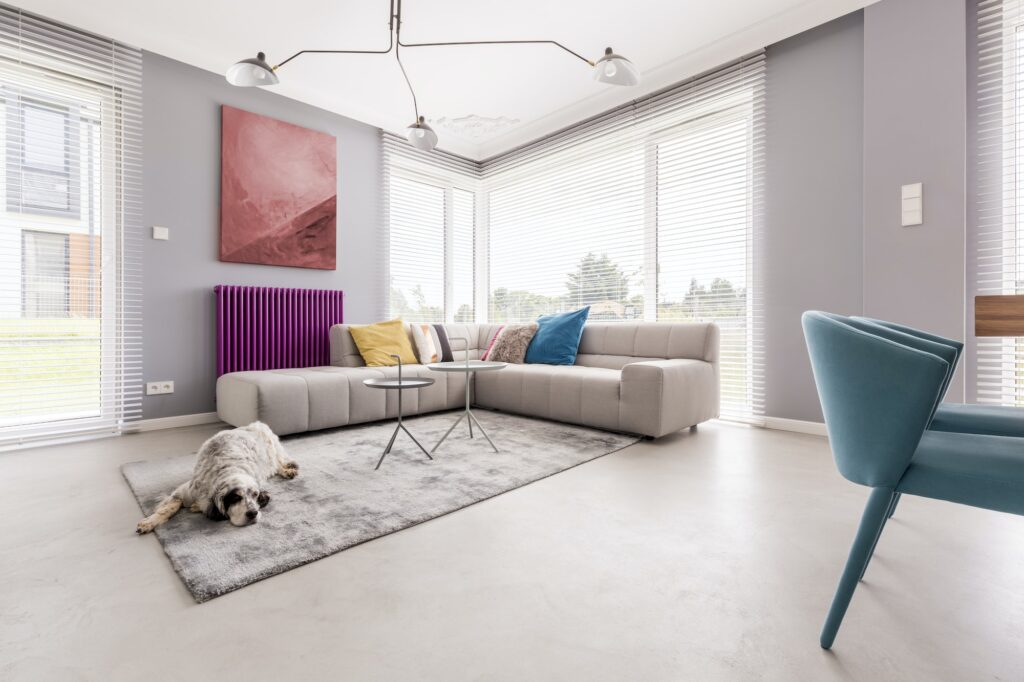
Designing a home is not a single creative act but a structured journey made up of many interconnected decisions. Each choice—whether related to layout, lighting, materials, or furniture—directly impacts how comfortable, functional, and enjoyable a home feels over time. Many interiors look visually impressive at first glance but slowly reveal functional issues because decisions were made out of sequence or without a clear framework.
This interior design framework is built around clarity and logic rather than impulse. It helps homeowners move through the design process one step at a time, ensuring that every decision supports daily living, long-term comfort, and real usability. When approached this way, interior design becomes a process of confidence rather than confusion.
Begin with Lifestyle Planning Before Thinking About Design
Lifestyle planning is the most critical yet most overlooked stage of interior design. Before thinking about how a space should look, it is essential to understand how it will be lived in every single day. This means examining routines, habits, schedules, and expectations honestly, without being influenced by trends or inspiration images.
A home designed without lifestyle clarity often feels restrictive because it forces occupants to adapt to the space instead of the space adapting to them. Work-from-home needs, storage habits, family dynamics, privacy requirements, and future changes all play a role in shaping the design direction. When these aspects are clearly understood, design decisions become purposeful rather than decorative.
Homes that are rooted in lifestyle planning tend to age better, feel more intuitive, and require fewer adjustments over time. This foundation ensures that design choices remain relevant even as routines evolve.
Layout Planning Is the Foundation of a Functional Home
Layout planning determines how a home functions on a daily basis. It defines how rooms connect, how people move through spaces, and how comfortably activities take place. A well-planned layout creates a sense of ease, while a poorly planned one introduces friction that becomes noticeable over time.
Many common frustrations—such as cramped rooms, blocked pathways, or awkward furniture placement—are the result of weak layout planning. These issues are often difficult or expensive to fix once construction begins. That is why layout planning must be addressed before any visual decisions are made.
Strong layouts focus on circulation, spatial balance, and the relationship between private and shared spaces. When planned correctly, a layout quietly supports daily life, making the home feel natural and effortless without drawing attention to itself.
Use 2D Drawings and 3D Visualisation to Eliminate Guesswork
Interior design becomes uncertain when decisions rely solely on imagination. Without drawings or visualisation, it is difficult to judge proportions, scale, and how different elements interact within a space. This often leads to misunderstandings and changes during execution.
Two-dimensional drawings provide technical clarity by defining measurements, alignments, and spatial relationships. Three-dimensional visualisation goes a step further by allowing homeowners to experience the space before it is built. Together, they create confidence in decision-making.
Visual planning helps homeowners understand how layouts will function, how materials will look under lighting, and how furniture will fit within the space. This clarity reduces last-minute changes, controls costs, and ensures that expectations are aligned well before execution begins.
Material Selection Should Balance Aesthetics and Daily Wear
Materials play a defining role in how a home looks and how it performs over time. While aesthetics often guide initial choices, materials must also withstand daily use, environmental exposure, and long-term maintenance. Ignoring these factors can lead to premature wear and dissatisfaction.
Thoughtful material selection considers durability, comfort, and practicality alongside appearance. Flooring, wall finishes, kitchens, wardrobes, and bathrooms all face different usage demands and must be treated accordingly. A material that looks appealing in a sample may behave very differently once installed.
When materials are chosen with performance in mind, interiors maintain their quality and visual appeal for years. This balance between beauty and function is what separates well-designed homes from short-lived ones.
Lighting Design Shapes Comfort, Mood, and Functionality
Lighting influences how a space feels more than most people realise. It affects mood, visibility, and how colours and materials appear throughout the day. Poor lighting can make even the most thoughtfully designed interiors feel uncomfortable or incomplete.
Good lighting design begins with understanding natural light patterns and supplementing them with artificial lighting where needed. Different spaces require different lighting intensities and moods, depending on how they are used. Kitchens and work areas demand clarity, while living spaces and bedrooms benefit from softer, layered lighting.
When lighting is planned early, it integrates seamlessly with architecture and interiors. The result is a home that feels warm, balanced, and adaptable to different times of day and activities.
Colour Palettes and Finishes Should Be Planned for Longevity
Colour choices have a lasting impact on how a home feels emotionally and visually. While bold trends may be tempting, they often lose relevance quickly. A strong interior design framework focuses on colours that create calm, continuity, and flexibility.
Neutral foundations allow spaces to evolve naturally, while controlled accents add character without overwhelming the design. Colour planning must also consider natural light, artificial lighting, and material textures, as all three interact closely.
When colours and finishes are selected with longevity in mind, interiors feel cohesive rather than chaotic. This approach reduces the need for frequent updates and ensures that the home remains visually comfortable over time.
Furniture Planning Must Come Before Furniture Buying
Furniture has a direct impact on comfort, circulation, and usability. Buying furniture without understanding spatial requirements often results in overcrowding, poor movement, or underutilised rooms. This is especially common in compact homes.
Furniture planning ensures that every piece serves a purpose and fits proportionally within the space. It allows homeowners to visualise movement paths, seating comfort, and storage integration before making purchases. This prevents impulse buying and design compromises later.
Well-planned furniture layouts make homes feel organised and breathable. Even smaller spaces can feel generous when furniture is chosen and placed with intention.
Budget Planning Is About Smart Allocation, Not Cost Cutting
Budget planning is often misunderstood as limiting design possibilities. In reality, it enables better decisions. A clear budget helps identify where quality matters most and where practical alternatives can be used without sacrificing comfort or aesthetics.
Without structured budgeting, interior projects often face last-minute upgrades, delays, or compromises that affect the overall outcome. Budget clarity ensures consistency from planning through execution.
When budget decisions are aligned early with design priorities, the entire process becomes smoother. This approach reduces stress, improves transparency, and protects the integrity of the design vision.
Work with Interior Designers Who Follow a Structured Process
Professional interior designers bring structure and foresight to complex decisions. Their role extends beyond aesthetics to include planning, coordination, and problem-solving. The right design team helps homeowners navigate choices with confidence.
Designers who follow a structured process prioritise layout, usability, and clarity. They explain decisions, anticipate challenges, and maintain alignment between design intent and execution. This reduces confusion and prevents costly mistakes.
Working with experienced designers ensures that creativity is supported by logic, resulting in spaces that are both beautiful and functional.
Final Interior Design Checklist Before Execution Begins
Before execution starts, it is essential to review and confirm all major decisions. Layouts, visualisations, materials, lighting plans, budgets, and timelines should be finalised and aligned. This stage acts as a safeguard against errors during construction.
A thorough pre-execution review ensures that everyone involved understands the design intent. It minimises surprises, prevents delays, and keeps the project on track from start to finish.
Designing a Home That Continues to Feel Right Over Time
A home designed with clarity and intention does more than look good—it supports everyday life effortlessly. When interior design decisions follow the right order, spaces remain comfortable, functional, and adaptable long after completion.
This step-by-step framework ensures that your home is not only designed for the present but prepared for the future. Thoughtful planning today leads to lasting comfort tomorrow.
Quick Links
Contact Us
- P/14 Manas Bag Belghoria District: North 24 Parganas Kolkata West Bengal India-700056
- Mumbai Office: Gharkul Society, Ratan Nagar, Four Bungalows, Andheri West, Mumbai, Maharashtra 400053
- Banglore Office: Whitefield, Bangalore East